

By B.Nandin
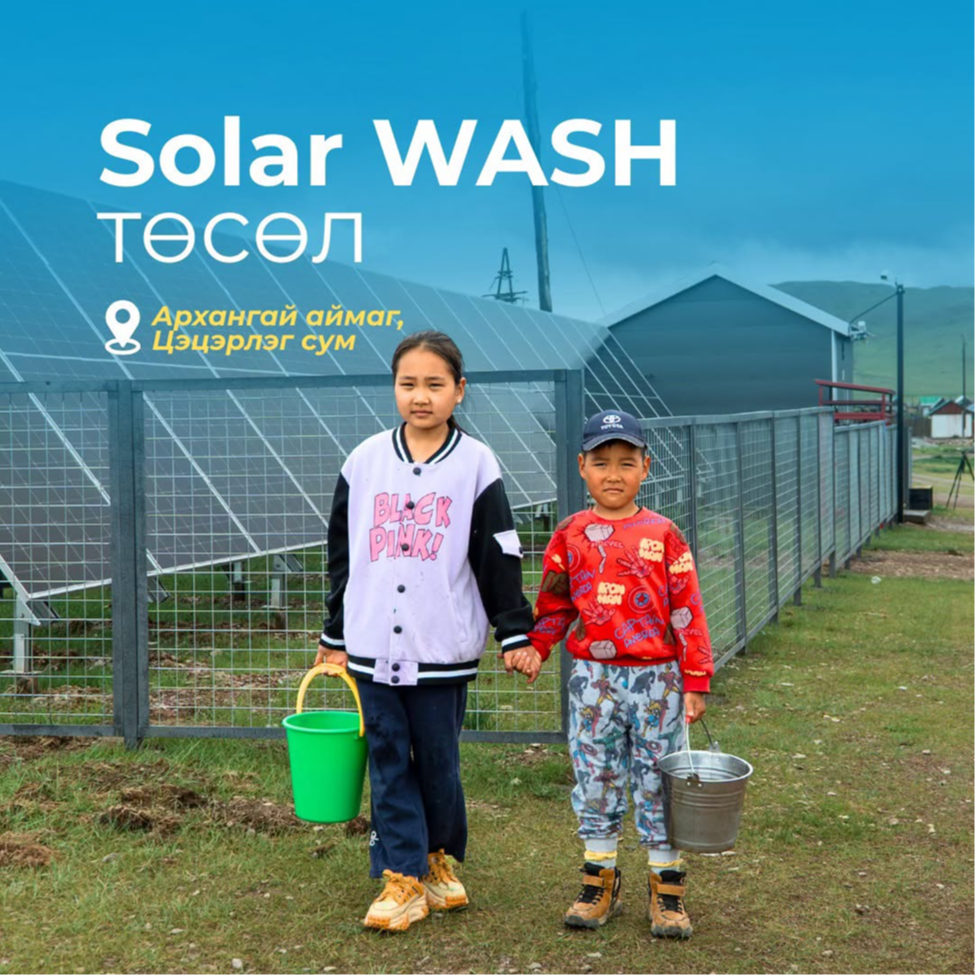
A newly completed solar-powered groundwater well in Tsetserleg soum of Arkhangai Province is transforming access to safe drinking water for more than 3,000 residents, marking another step forward in Mongolia's efforts to build climate-resilient water infrastructure.
The facility, developed under UNICEF Mongolia's Solar WASH initiative, combines renewable energy with modern water technologies to provide a reliable, year-round supply of clean drinking water while reducing dependence on conventional energy sources.
Powered by a 10-kilowatt solar energy system, the well operates entirely on renewable electricity. It is equipped with a smart water kiosk that enables efficient water distribution and management, as well as a water purification system that ensures the water meets safety standards for human consumption.
The project addresses one of the most pressing challenges facing many rural communities in Mongolia, where access to safe drinking water can be limited by harsh weather conditions, aging infrastructure and the impacts of climate change. By harnessing solar energy, the system continues operating even in remote areas where electricity supply may be unreliable, while lowering operating costs and reducing greenhouse gas emissions.
According to UNICEF Mongolia, the initiative is designed not only to improve water access but also to strengthen the resilience of communities against the growing impacts of climate change. Reliable access to safe water is essential for protecting children's health, reducing waterborne diseases, improving hygiene and supporting schools, healthcare facilities and households throughout the year.
The project has been implemented through a partnership between UNICEF Mongolia, the Eleva Foundation, UNICEF UK, and local authorities. The collaboration reflects a shared commitment to expanding sustainable water, sanitation and hygiene (WASH) services in rural Mongolia.
UNICEF says the Solar WASH programme demonstrates how renewable energy can be integrated into essential public services to improve living conditions while supporting the country's climate adaptation goals. The organization hopes similar systems can be replicated in other provinces facing water scarcity and infrastructure challenges.
As climate change continues to affect water resources across Mongolia through rising temperatures, prolonged droughts and increasing pressure on groundwater supplies, innovative projects such as the Tsetserleg solar-powered well offer practical solutions that combine environmental sustainability with improved public health.
The successful completion of the project is expected to provide long-term benefits for local residents by ensuring dependable access to safe drinking water, strengthening community resilience and contributing to Mongolia's broader sustainable development objectives.