

By B.NANDIN
Mongolia is working to strengthen climate-resilient and sustainable infrastructure planning through the Sustainable Infrastructure Programme in Asia (SIPA), jointly implemented by the United Nations Development Programme, the Ministry of Economy and Development of Mongolia and the Organisation for Economic Co-operation and Development (OECD) with funding from Germany’s International Climate Initiative (IKI).
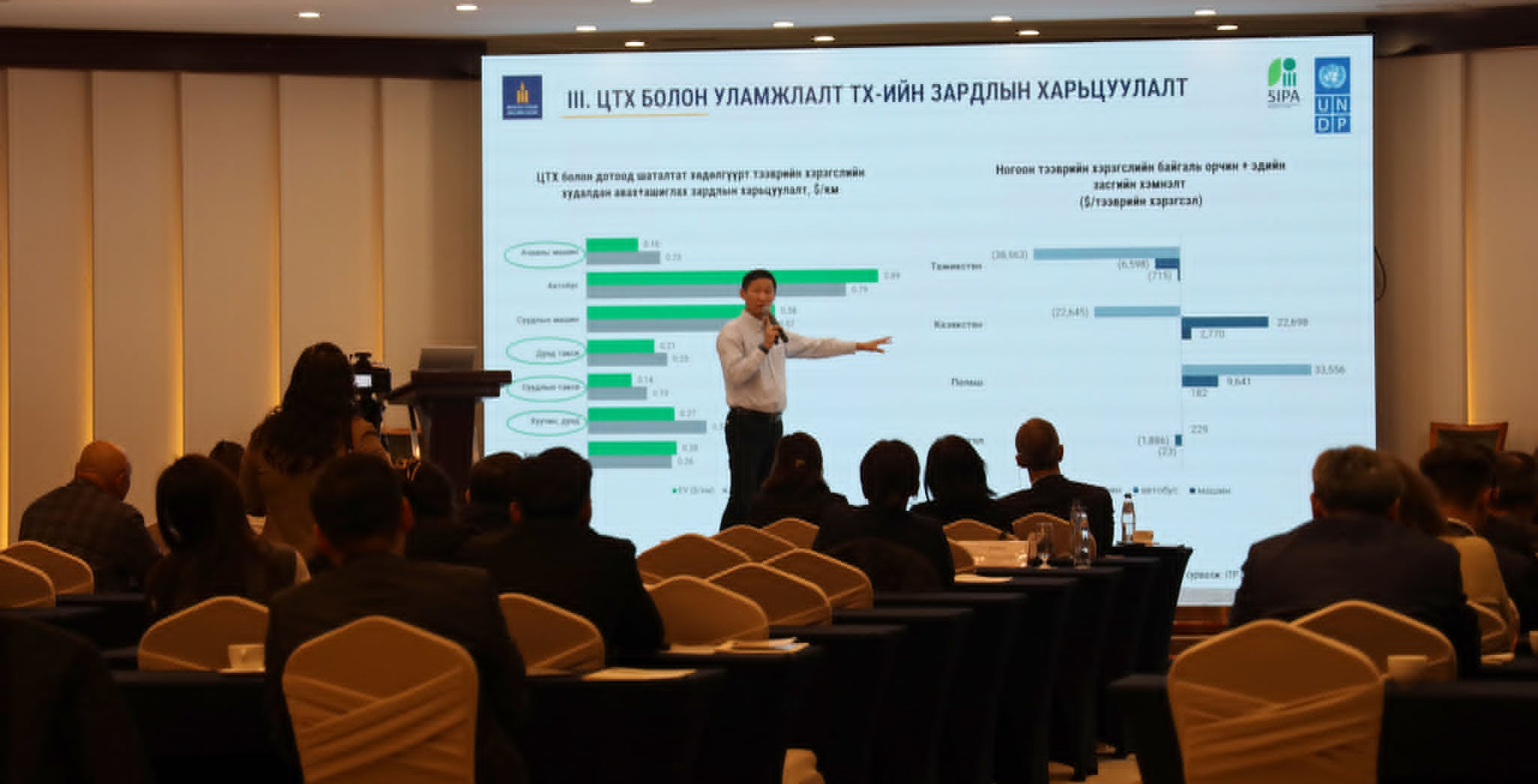
Government officials, development partners, financial institutions, academics, private sector representatives and civil society organizations gathered in Ulaanbaatar this week to discuss the programme’s key findings and future policy directions for sustainable infrastructure development in Mongolia.
The discussions focused on how climate change and sustainable development considerations can be more effectively integrated into Mongolia’s infrastructure planning and public investment processes. Participants emphasized that incorporating environmental, climate and socio-economic factors into decision-making is essential for evidence-based, transparent and sustainable development policies.
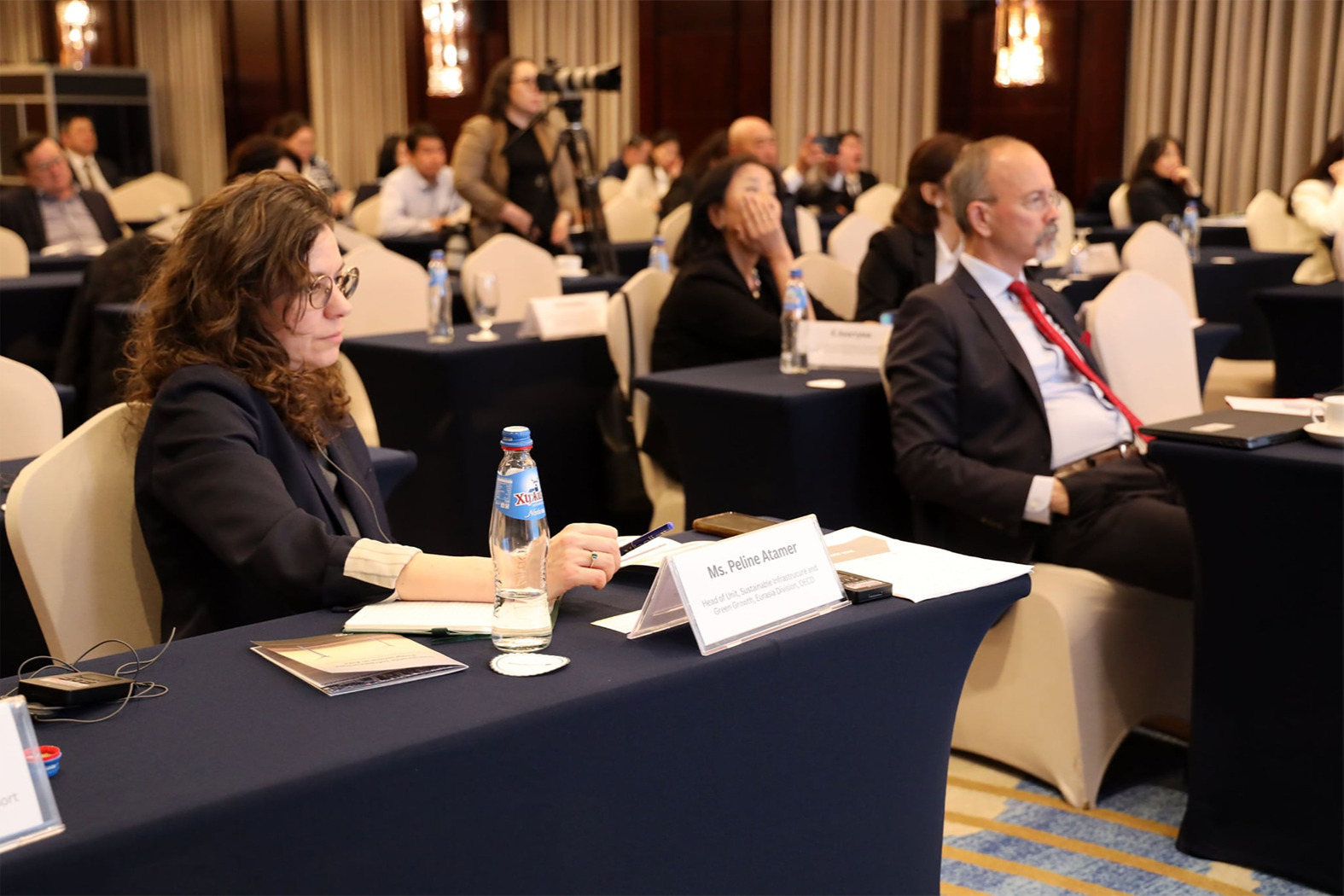
During the forum, participants reviewed recommendations and research developed under the SIPA programme, including long-term greenhouse gas reduction roadmaps, sustainable infrastructure governance, low-carbon transport development, renewable hydrogen strategies, sustainable infrastructure valuation methodologies and financing approaches aligned with climate goals.
Deputy Minister of Economy and Development S.Davaasuren said the Mongolian government is prioritizing sustainable and climate-resilient infrastructure planning aligned with the country’s long-term development goals.
German Ambassador to Mongolia Mr.Helmut Rudolf Kulitz said Germany highly values its cooperation with Mongolia on sustainable infrastructure and climate action, adding that the SIPA programme supports Mongolia’s transition toward a low-carbon and climate-resilient development pathway.
Meanwhile, Matilda Dimovska, UNDP Resident representative in Mongolia, noted that one of SIPA’s important contributions has been linking long-term policy priorities with practical and implementable solutions.
The Weekly spoke with William Thompson, Head of Eurasia Division at the OECD, about the programme’s impact and Mongolia’s infrastructure future.
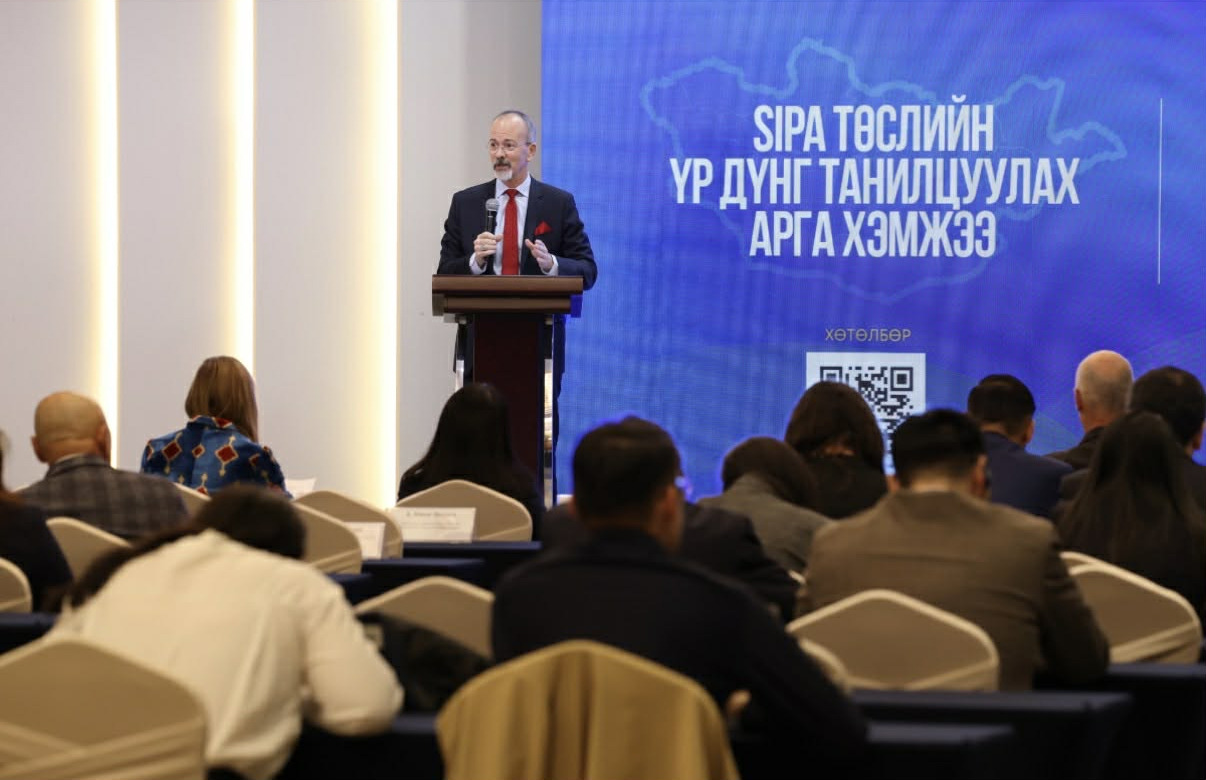
-How effective and impactful has this engagement been in Mongolia, and what should the government do to sustain the results?
-I would have to say we don’t know yet, because what will really matter is how much of what we have done is applied and to what extent action is taken. But I’m cautiously optimistic because the recommendations we made and the tools, we introduced have been very well received here.
For example, a report on working toward a green hydrogen strategy for Mongolia, which was prepared at the request of the authorities, contains a substantial number of recommendations about the framework conditions needed to create what is effectively a wholly new and innovative sector in the country, starting with infrastructure and continuing through market development.
Through regional activities in which Mongolian participants have taken part, we have also worked on sustainable asset valuation exercises, which are essentially a kind of cost-benefit analysis of investment projects that includes not just financial returns, but also social and environmental benefits, trying to quantify them and include them in the evaluation.
We’ve also worked with institutes here on modelling to help address climate issues and better understand how to do that kind of modelling.
The purpose of most of this activity has not been to build projects or invest directly. We don’t invest. The purpose has been to provide tools and instruments that local actors can use. We found enthusiastic audiences here, so I’m optimistic that these tools are finding use. Certainly, some of the modelling already is.”
-Can you share some international best practices and experiences on sustainable infrastructure development, particularly in Asia?
-We’ve worked on this project across Central Asia and also somewhat in Southeast Asia. One of the most important best practices, I think, is the SAVi methodology, which helps us really understand the non-monetary and non-market benefits, as well as the costs of making the wrong choices in infrastructure investments.
The decisions we make about infrastructure investment in the next few years will determine how people live on our planet for decades and even centuries to come. My favourite example is that I come from a part of the world where we still use Roman roads that were built more than 2,000 years ago. Those choices endure.
In addition to that, the OECD has a panoply of recommendations, indicator systems and policy tools to help shape policies. We are developing indicators on infrastructure sustainability, and we also have recommendations on the governance of public-private partnerships in infrastructure, which is very important here because there is a lot of interest in Central Asia and Mongolia in PPPs for infrastructure due to tight public budgets.
We also have recommendations on various aspects of infrastructure governance. There is a whole framework to understand how best to identify a project, from project evaluation through to operation, including the appropriate questions to ask and principles to adhere to.
Crucially, it is about making sure everything fits together. One thing that became very clear when we started this work was that, in many countries, the infrastructure development models people were choosing were not well aligned with the financing and governance models they were also choosing. In large measure, this work is about making sure all the pieces of the puzzle fit together.”
-How do you assess the projects and presentations discussed during the forum?
-I think it was extremely interesting to see the level of sophistication with which issues like electric vehicle introduction are being addressed.
There are a clear recognition of the particular challenges Mongolia faces, because introducing electric vehicles and rolling them out in densely populated urban China is very different from doing so in Mongolia, where you have such vast territory and low population density.
I was very intrigued by the discussions around infrastructure and grid development. This is something we have identified across Central Asia for many years as a central challenge, and it is not an easy challenge precisely because of the geography involved.
Source: Zuuniimedee № 98 (7830) May 21, 2026
In an age of widespread misinformation, choose facts you can trust.
Zuunii Medee delivers verified, credible, and reliable news. Stand with the truth.
Support independent journalism — subscribe Zuunii Medee today. www.zuuniimedee.mn