

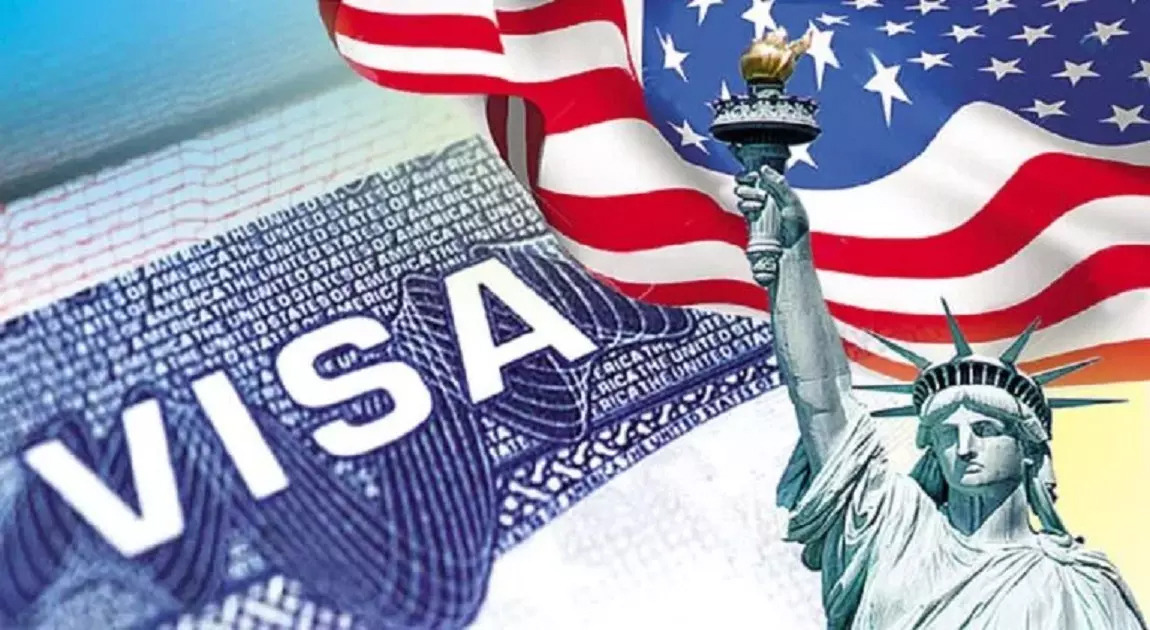
Starting from the 2nd of this month, Mongolian citizens applying for a visa to travel to the United States are required to place a refundable bond of up to $15,000.
The U.S. Embassy in Mongolia provided a consolidated response to journalists, explaining the rationale and objectives behind including Mongolia in the Visa Bond Program. The Embassy noted that the measure is part of broader visa policy considerations and clarified that the deposit will be fully refunded if all visa conditions are met. Below are the Embassy’s consolidated responses to questions raised by journalists.
-What were the main reasons for including Mongolia in the Visa Bond Program, and what key criteria and indicators (in particular overstay rates) did the United States use to assess Mongolia’s situation? How does the U.S. currently evaluate Mongolia in this regard?
-The Trump Administration continues to put America and its interests first by fully enforcing U.S. immigration laws and ensuring lawful travel through our visa process. The Visa Bond Pilot Program has proven effective in deterring illegal immigration, and the Trump Administration is expanding it to additional countries based on a range of immigration risk factors. Countries may be included in the pilot based on high overstay rates, screening and vetting deficiencies, and foreign policy considerations. The number of nationals who exceed the authorized period of stay in the United States is only one factor in the decision to include a country in the pilot program.
-What is the overall purpose and policy rationale of the Visa Bond Program, and what message, if any, does Mongolia’s inclusion send about the broader bilateral relationship between our two countries?
The purpose of this Pilot Program is to inform the use of visa bonds to address the Administration’s national security and foreign policy priorities. Countries are selected in light of these objectives. This action reflects President Trump’s commitment to protecting the American people, enforcing our immigration laws, and safeguarding U.S. taxpayer resources by reducing illegal overstays.
-For which visa categories issued to Mongolian citizens does the Visa Bond Program apply (in particular B1/B2 travel and business visas, student and other categories), and for which visa categories does it not apply? Could you clarify this explicitly?
-Bond payments are only required for qualified business/tourist (B1/B2) visa applicants. Nationals of Mongolia who are otherwise found eligible for a B1/B2 business or tourist visa are required to post a visa bond of up to $15,000 before the visa can be issued.
For Mongolian citizens who already hold valid 10 year multiple entry B1/B2 visas, has the policy on renewing or extending such visas changed in any way as a result of the introduction of the Visa Bond Program?
Effective April 2, 2026, nationals of Mongolia who are otherwise eligible for a B1/B2 business/tourist visa are required to post a visa bond of up to $15,000 before the visa can be issued. The visa bond requirement is not retroactive and does not apply to holders of existing valid visas.
-Is the Visa Bond Program a pilot initiative with a defined duration, or is it intended to be open ended? Is there any indicative timeframe for how long it is expected to apply to Mongolia?
-President Trump’s Executive Order (E.O.) 14159, “Protecting the American People Against Invasion” directs the Secretary of the Treasury, in coordination with the Secretaries of State and Homeland Security, to “establish a system to facilitate the administration of all bonds” under the provisions of the Immigration and Nationality Act (INA). The INA Section 221(g)(3) authorizes consular officers to require certain temporary visitors to post a bond guaranteeing that the visa holder will depart the United States within a set period of time. When such a bond is required, consular officers will not issue a visa until the bond amount has been posted. The pilot is a tool for assessing the effectiveness of visa bonds in promoting compliance with U.S. immigration laws.
-Through which channels and procedures is the visa bond deposited (for example bank transfer, cash, or other mechanisms), and if the applicant complies with all visa conditions and returns on time, how, in what currency, and within what timeframe is the bond refunded (including via bank or cash)?
During the visa interview, applicants will be directed by the consular officer to the Department of Treasury’s www.pay.gov to post the visa bond. The full visa bond amount will be returned to the applicant if the applicant complies with all of the terms of the nonimmigrant visa status, and with the terms of the visa bond, which are set out on the bond form (Department of Homeland Security’s Form I-352 Immigration Bonds) and in the Federal Register.
-Looking ahead, what specific thresholds or target indicators is the United States setting for removing Mongolia from the Visa Bond Program list (for example, reducing overstay rates or improving compliance), and what key conditions does the U.S. side expect Mongolia to meet?
-The Trump Administration is constantly reviewing and evaluating screening and vetting procedures and overstay rates to ensure that our visa process upholds the highest standards for U.S. national security and public safety and may update the country list throughout the Visa Bond Pilot.
-Many in the Mongolian public view the Visa Bond Program as creating an excessive financial burden on Mongolian citizens who wish to travel to the United States legally. How does the U.S. side, in particular the U.S. Embassy in Ulaanbaatar, respond to this criticism?
-The Trump Administration continues to put America and its interests first by fully enforcing U.S. immigration laws and ensuring lawful travel through our visa process. The Visa Bond Pilot Program has proven effective in deterring illegal immigration, and the Trump Administration is expanding it to additional countries based on a range of immigration risk factors. As Secretary Rubio has repeatedly made clear, a U.S. visa is a privilege, not a right. Individuals who do not intend to comply with U.S. law, including leaving the United States when their authorized period of stay expires, should not apply for a visa.