

By B.Nyamsuren
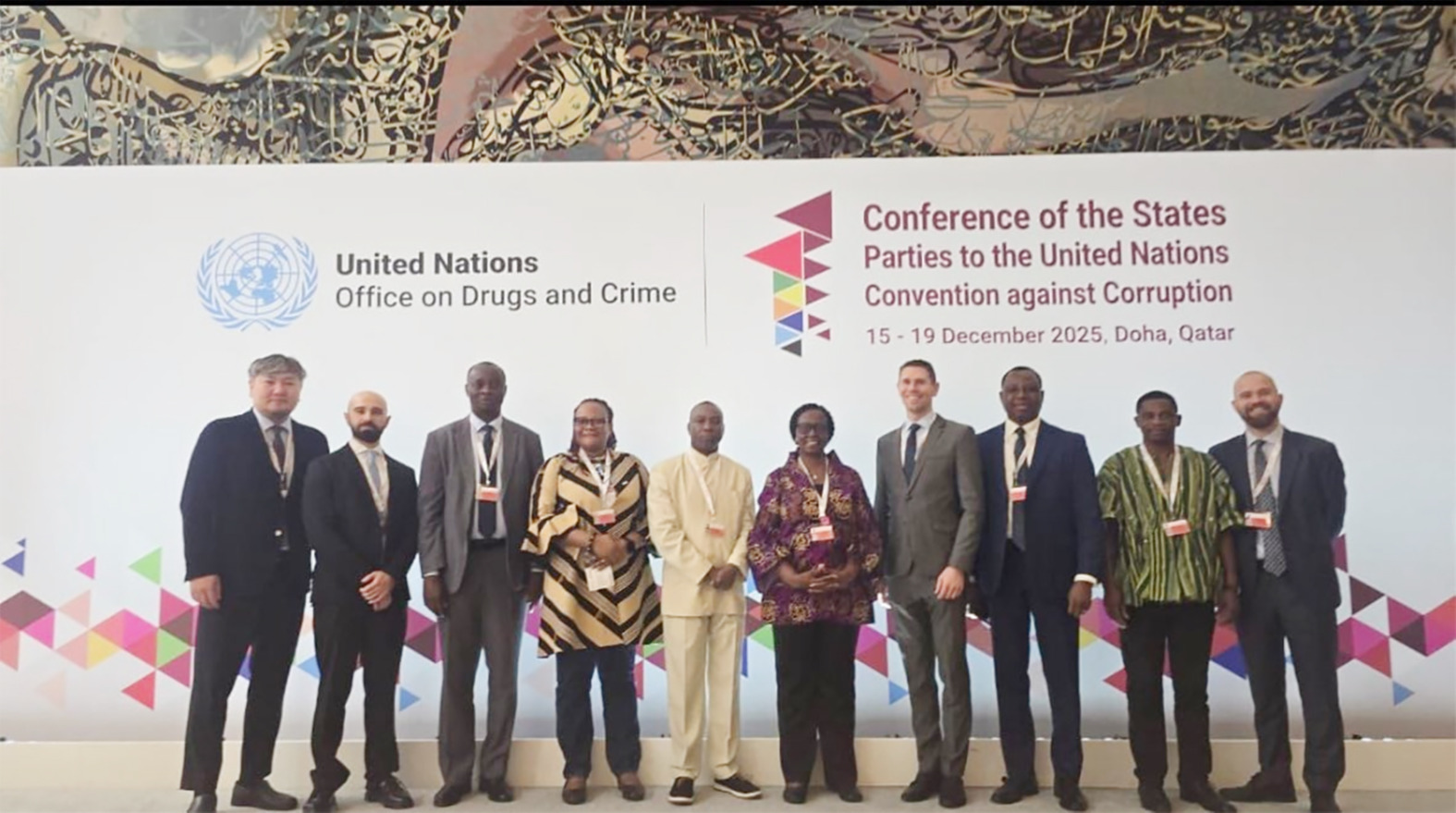
At a time when democratic systems around the world are facing mounting pressure, Mongolia has taken a visible step on the multilateral stage by supporting and co-sponsoring a United Nations resolution focused on enhancing transparency in the financing of political parties and electoral candidates.
Adopted by consensus at the United Nations, the resolution addresses one of the most sensitive and persistent challenges in democratic governance: the influence of opaque money in politics. While the document is not legally binding, it carries significant normative and political weight, encouraging governments to review and strengthen their legal frameworks governing political finance.
A global concern with democratic consequences
Across regions, undisclosed or weakly regulated political financing has been linked to corruption, state capture, and declining public trust in political institutions. When citizens cannot clearly see who funds political parties or election campaigns, the legitimacy of electoral outcomes is undermined and policy decisions risk being shaped by narrow financial interests rather than the public good.
The resolution urges UN member states to improve transparency through public disclosure requirements, independent oversight mechanisms, and stronger institutional controls. It also highlights the need for international cooperation to prevent illicit financial flows associated with political activities. These principles align closely with the UN’s broader anti-corruption agenda and its commitment to strengthening democratic institutions worldwide.
Mongolia’s diplomatic message
Mongolia’s role in advancing this resolution is notable, particularly given its own democratic trajectory. Since transitioning to a multi-party system in the early 1990s, Mongolia has often been cited as a democratic exception in its region. Yet, like many democracies, it continues to grapple with public concerns over political party financing, campaign spending, and institutional accountability.
By supporting this initiative at the UN, Mongolia sends a clear diplomatic signal: transparency in political financing is not only a domestic reform issue, but a shared international responsibility. The move positions Mongolia as a constructive actor in global discussions on democratic governance, drawing on its own reform experience to contribute to broader international norms.
For a country with a relatively small population and economy, helping shape agenda-setting discussions at the United Nations carries particular significance. It reflects a foreign policy approach rooted in multilateralism, rule-based cooperation, and the defense of democratic principles.
Beyond legal enforceability
As with many General Assembly resolutions, the effectiveness of this initiative will depend on voluntary implementation by member states. Critics often point to the non-binding nature of such resolutions. However, history shows that UN resolutions frequently play a crucial role in shaping global standards, influencing domestic legislation, and empowering civil society actors.
In the field of anti-corruption and governance, UN-endorsed principles have repeatedly provided reference points for national reforms, donor policies, and international monitoring frameworks. In this context, the political finance transparency resolution represents an important step in reinforcing expectations around democratic accountability.
Implications for journalism and civil society
The resolution’s impact extends beyond diplomacy. By affirming transparency in political financing as an international norm, it strengthens the position of journalists, researchers, and civil society organizations investigating money in politics. It reinforces the legitimacy of scrutiny and investigative reporting on political funding, particularly in environments where such work can be politically sensitive or risky.
For independent media outlets, this international recognition matters. It underscores the role of journalism as a safeguard of democracy and highlights the importance of evidence-based reporting in exposing hidden financial influence.
Looking forward
Ultimately, the resolution’s significance will be measured by follow-up actions. Will governments enhance disclosure rules? Will oversight bodies gain real independence and enforcement capacity? And will public trust in political institutions improve as a result?
For Mongolia, international leadership also brings responsibility. Sustaining credibility will require continued alignment between the principles promoted abroad and reforms pursued at home. Nonetheless, by helping elevate political party financing transparency to the UN agenda, Mongolia has made a meaningful contribution at a time when democratic integrity is under increasing global scrutiny.
In an era of democratic uncertainty, such initiatives may not deliver immediate change—but they help define the standards by which democratic governance will be judged in the years ahead.
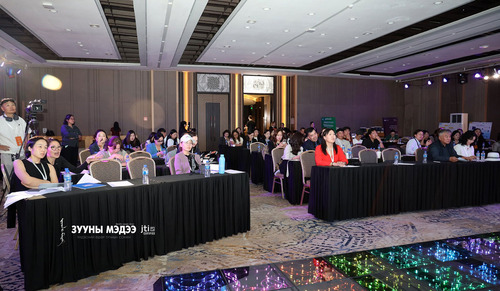
UNDP, in partnership with the Ministry of Digital Development, Innovation and Communications, launched the report “The Next Great Divergence” published by UNDP’s Regional Bureau for Asia and the Pacific (RBAP), and facilitated discussions on Mongolia’s artificial intelligence (AI) readiness.
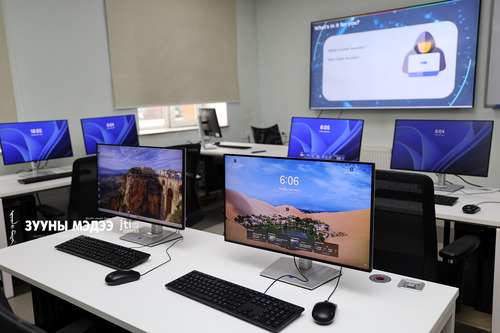
The event convened policymakers, the private sector, and AI experts to explore how modern technologies can support human development in Mongolia, while addressing risks related to digital inequality, governance gaps, and climate vulnerability.
Participants were introduced to the report’s key findings and engaged in a panel discussion on translating global AI risks into local solutions. The dialogue strengthened partnerships among stakeholders contributing to ongoing efforts toward Mongolia’s first National AI Strategy.
Source: Zuuniimedee № 10 (7752) January 16, 2026
In an age of widespread misinformation, choose facts you can trust.
Zuunii Medee delivers verified, credible, and reliable news. Stand with the truth.
Support independent journalism — subscribe Zuunii Medee today. www.zuuniimedee.mn