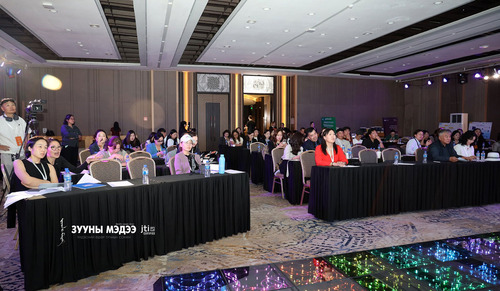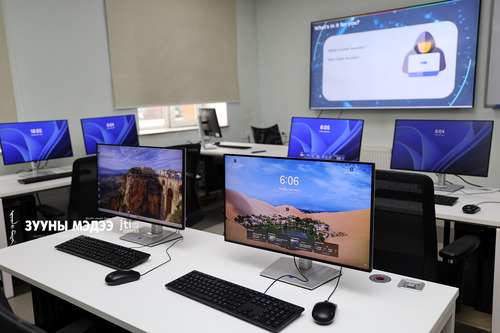


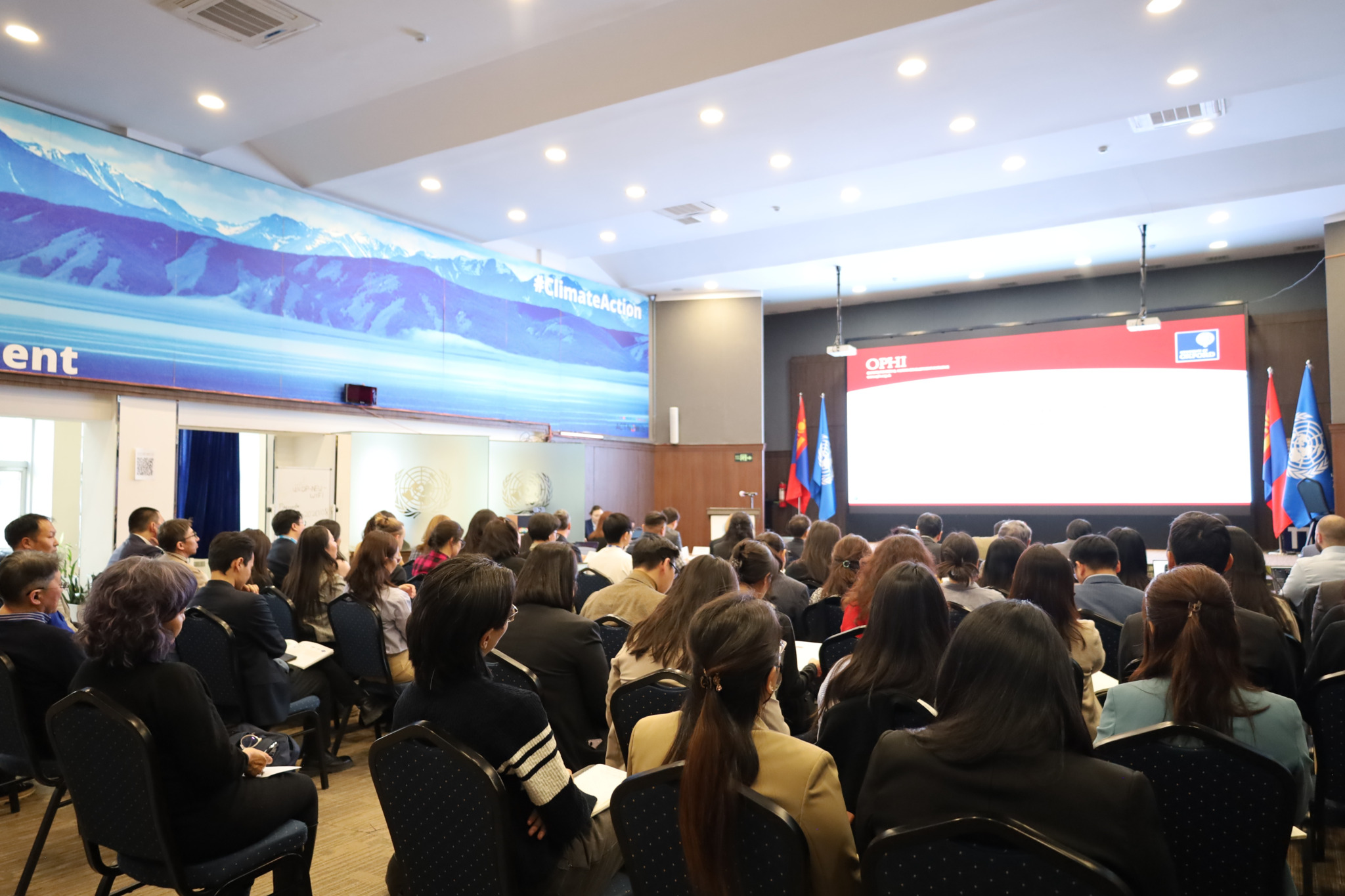
Mongolia’s National Statistics Office has presented the pilot results of the country’s National Multidimensional Poverty Index developed under a United Nations Development Programme project funded by the Ministry of Foreign Affairs of the Republic of Korea.
The National MPI was developed through collaboration between the NSO’s MPI Working Group, the Oxford Poverty and Human Development Initiative, and the UNDP Seoul Policy Centre. It measures overlapping deprivations in health, education, employment, and living conditions using the internationally recognized Alkire–Foster methodology, adapted to Mongolia’s national context. The pilot analysis is based on data from the 2024 Household Socio-Economic Survey.
The pilot establishes the methodology that will be used for Mongolia’s official MPI publication in 2027, drawing on data from the 2026 Household Socio-Economic Survey.
NSO Chairperson Batdavaa Batmunkh said the index will strengthen evidence-based policymaking by improving how living conditions are measured, enabling the government and its partners to better target resources and track progress.
Republic of Korea Ambassador to Mongolia Choi Jin-Won reaffirmed Korea’s commitment to continued cooperation with Mongolia in development, governance, gender equality, environmental protection, and social policy.
UNDP Resident Representative in Mongolia Matilda Dimovska noted that by moving beyond income-based measures, the National MPI provides stronger tools for addressing poverty and meeting the Sustainable Development Goals, ensuring that support reaches those most in need.
With the National MPI finalized, Mongolia will join more than 50 countries worldwide that use multidimensional poverty measurement to support inclusive and sustainable development.
Source: Zuuniimedee № 240 (7737)
December 19, 2025
In an age of widespread misinformation, choose facts you can trust. Zuunii Medee delivers verified, credible, and reliable news. Stand with the truth. Support independent journalism — subscribe Zuunii Medee today.