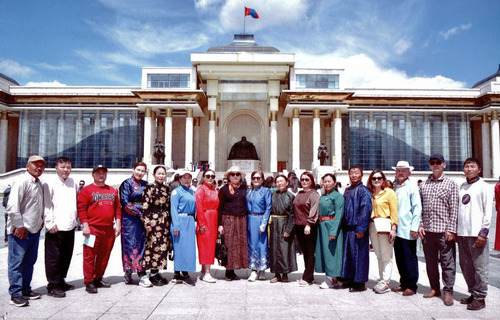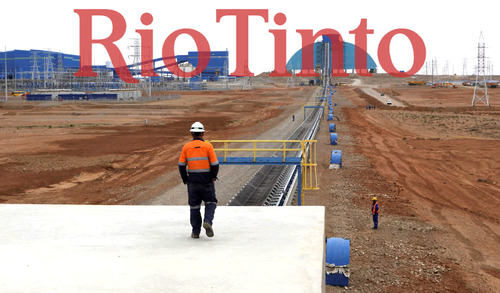



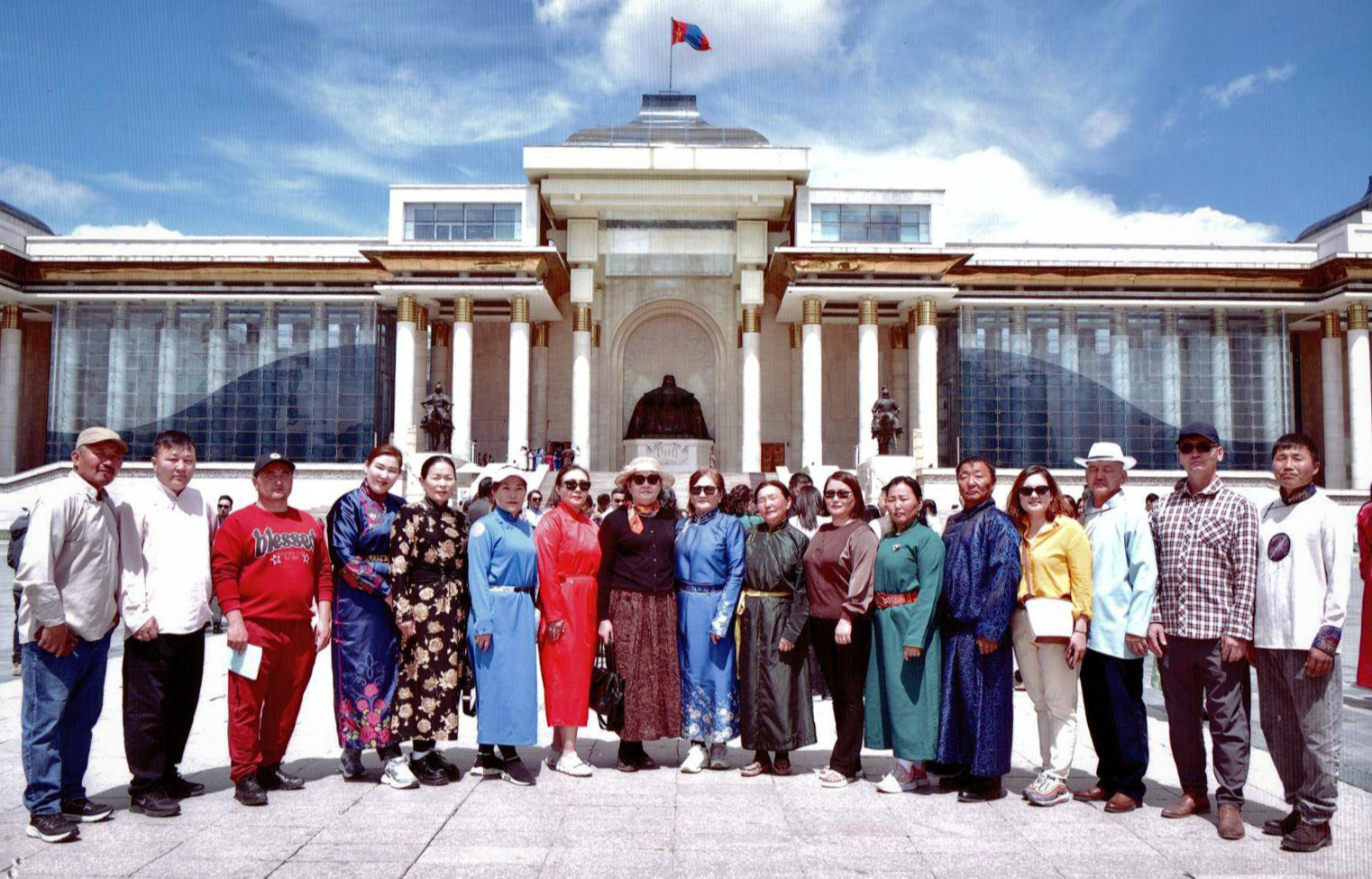
The Red Line was jointly developed by herders living in mining-affected areas, energy, and infrastructure development projects in the Gobi region, along with civil society organizations advocating for their rights, livelihoods, and environmental protection.
Our position and rationale
We, the nomadic herders of Mongolia, are bearers of the traditional nomadic cultural heritage and valuable contributors to national food security and the sustainable supply of livestock raw materials. We are also the inherited protectors of pasture ecosystems, water sources, and the environment.
Nomadic pastoralism is a lifestyle that has evolved in harmony with dryland ecosystems. Through traditional knowledge, seasonal transhumance, and the proper use of natural resources, it has significantly contributed to sustainable land management and the preservation of ecosystem resilience.
We have developed this document within the framework of the Constitution of Mongolia, national legislation, and universally accepted principles of international human rights and environmental protection. Our goal is to protect the pastures, water, traditional livelihoods, and cultural heritage of nomads, herders, and local communities and to ensure their effective participation in decision-making processes.
This initiative aims to reaffirm the importance of local communities' knowledge, participation, and partnership in neutralising land degradation, protecting ecosystems, adapting to climate change, and promoting nature-based solutions. This aligns with the goals and principles of the UN Convention to Combat Desertification (UNCCD), the UN Framework Convention on Climate Change (UNFCCC), and the Convention on Biological Diversity (CBD).
We believe that respecting and incorporating the participation, traditional knowledge, and land governance practices of nomads, herders, local communities, and indigenous peoples into the implementation of the three Rio Conventions is a fundamental condition for the sustainable development of drylands.
This document was jointly developed by herders living in mining-affected areas, energy, and infrastructure development projects in the Gobi region, along with civil society organizations advocating for their rights, livelihoods, and environmental protection. It is proposed to contribute to the COP17 process and promote international best practices in sustainable pasture governance.
We declare the following principles and urge the Parties to support them:
The “Nomads' RED LINE Initiative for Sustainable Pasture Rights” is a comprehensive policy framework designed to protect dryland pasture ecosystems, traditional seasonal transhumance, livestock-based livelihoods, and community-based land governance. Its aim is to neutralise land degradation, enhance ecosystem resilience, and ensure sustainable development.
The “Nomads' RED LINE for Sustainable Pasture Rights” is a policy framework for protecting pasture ecosystems in dryland countries, supporting livestock-based livelihoods, and preserving the right to traditional seasonal transhumance and movement. It fully aligns with the goals and principles of the UN Convention to Combat Desertification (UNCCD). It protects the rights of not only nomads but also herders, local communities, and indigenous peoples.
It also serves to support the goals of the three Rio Conventions (UNCCD, UNFCCC, and CBD) regarding traditional land tenure, land usage rights, knowledge, land governance, environmental justice, fair transition, and the implementation of free, prior, and informed consent.
“THE INVIOLABLE RIGHTS – RED LINE” ARE:
-The foundation for the existence of nomadic pastoralism;
-The protection of pastures, water resources, and ecosystems;
-The guarantee of nomads' livelihoods, culture, and traditional rights;
-The protection of cultural heritage and national food security;
This declaration defines a basic policy framework to protect pasture ecosystems, nomadic pastoralism, pastoralists' sustainable livelihoods, traditional culture, pasture use rights, and the seasonal transhumance system from the impacts of activities such as competing land use, major construction projects, development projects, infrastructure expansion, changes in land use, and extractive industries.
This policy framework is based on fundamental, non-violable principles aimed at strengthening sustainable land governance, citizen participation, and ecosystem resilience. These key principles will be implemented as guidelines across all levels of state policy, legislation, planning, decision-making, and implementation.
We urge the COP17 Conference of the Parties to make a decision recognising pasture ecosystems as crucially important for achieving ecological stability, biological diversity, food security, carbon sequestration, and land degradation neutrality in drylands. We also urge policy-level recognition of nomadic pastoral systems, traditional seasonal transhumance, and local knowledge as integral components of sustainable land management and pasture governance. Decisions should support measures to protect and preserve ecologically and culturally highly valuable areas – such as sacred mountains, cairns (ovoo), water sources, springs, wells, winter, spring, summer, and autumn camps, seasonal transhumance routes, and primary and reserve pastures within the framework of sustainable land governance, conservation policies, and land use planning.
We urge the Parties to include measures in national policies, laws, and land-use planning to protect and preserve the traditional seasonal transhumance routes, water sources, pasture ecosystems, and ecological connectivity of pastoralists, herders, local communities, and indigenous peoples. We also urge them to implement measures to prevent and mitigate negative impacts caused by competing land use, major development projects, infrastructure expansion, extractive industries, and changes in land use.
We urge the Parties to gradually incorporate the principle of Free, Prior and Informed Consent (FPIC) and effective participation into national policies, laws, and land governance systems. In particular, we urge the establishment of institutional and legal mechanisms to ensure the effective participation of affected nomads, herders, local communities, and indigenous peoples in decision-making processes related to changing pasture land use, planning, licensing, and implementing extractive industries and other major development projects (like roads, energy, and other infrastructure). Their opinions, traditional knowledge, and legitimate interests must be properly considered. We further urge the Parties to strengthen the feasibility of implementing the FPIC principle in decision-making processes for specifically high zone of impact, major development projects, extractive industries, and infrastructure construction, in accordance with national legislation and institutional systems.
We urge the Parties to implement measures that prevent negative impacts on the livelihoods and traditional land use systems of nomads, herders, local communities, and indigenous peoples caused by land use changes and development projects, while also supporting goals to neutralise land degradation, restore degraded lands, and promote nature-based solutions. This should be done while ensuring the principles of a fair transition and socio-environmental justice.
We urge the Parties to support increased access to funding for community-based, participatory restoration activities under the Global Environment Facility (GEF), Green Climate Fund (GCF), Land Degradation Neutrality (LDN) Fund, and other international and regional funding mechanisms to promote Land Degradation Neutrality (LDN), ecosystem restoration, and sustainable pasture management. We also urge the Parties to develop flexible and accessible mechanisms to finance sustainable pasture management, ecosystem protection, and climate change adaptation measures based on the participation of nomads, herders, local communities, and indigenous peoples.
We urge the Parties to support the integrated use of the UNCCD reporting system (PRAIS), the Science-Policy Interface (SPI), remote sensing technology, scientific information systems, and the traditional knowledge and practices of local communities to assess land degradation, ecosystem changes, and restoration results. We also urge the Parties to strengthen participatory monitoring systems that combine scientific evidence and local knowledge to evaluate pasture conditions, land degradation changes, ecosystem resilience, and the impact of restoration.
CONCLUSION AND APPEAL
The “Nomads' RED LINE for Sustainable Pasture Rights” is a policy framework for protecting pasture ecosystems, water resources, nomadic pastoralism systems, and the traditional knowledge and cultural heritage of local communities, which are the basis for sustainable development in drylands. It also aims to strengthen sustainable land governance.
This “Nomads' RED LINE for Sustainable Pasture Rights” serves as a preventive, fair, and sustainable mechanism to protect pastures, water, ecosystem services, and cultural values, while guaranteeing the legitimate interests and right to participate in decision-making processes for nomads, herders, local communities, and indigenous peoples.
This policy framework is crucial for ensuring alignment between pastoralism, environmental protection, mining, infrastructure, and other development activities. It is also vital for supporting proper land use planning, ecosystem resilience, and sustainable regional development.
The “Nomads' RED LINE for Sustainable Pasture Rights” has the potential to become an international best practice for neutralising land degradation, adapting to climate change, protecting ecosystems, and promoting nature-based sustainable development, in alignment with the goals and principles of the UNCCD, UNFCCC, and CBD.
Therefore, we urge all levels of government agencies, local administrations, development organisations, funding partners, civil society, and all stakeholders to reflect and implement the principles and ideas of this declaration in national and local policies, legislation, land-use planning, and development programmes and to support them through international development partnerships, funding mechanisms, and participatory activities.
Ulaanbaatar, Mongolia, 2026